
Hits: 784

Suhayfa Sheik
Taiwan reacts to eco-systemic reality.
Most Read Stories Today
-
Water Scarcity and Artificial Rainfall: The Positive and The Negative Effects of Cloud Seeding, including Health Hazards and Climate Implications.
-
Renewable Energy in Rural Areas: Challenges, Opportunities, and Successful Rural Projects
-
South Africa's Recent Floods: Is Climate Change to Blame?
-
South Korea's floods: root causes and prevention strategies.
-
Pakistan's Agriculture at Risk Due to Climate Variability
-
South Africa: Cape Town, A City Under Fire
-
The Human Cost of Climate Disasters
-
Our Oceans, Our Future: The South African Dilemma of Overfishing
-
Degenerative Impact of Hydrocarbons On The Environment.
-
Sustainable Urban Planning - Copenhagen and the Path to Climate Resilience
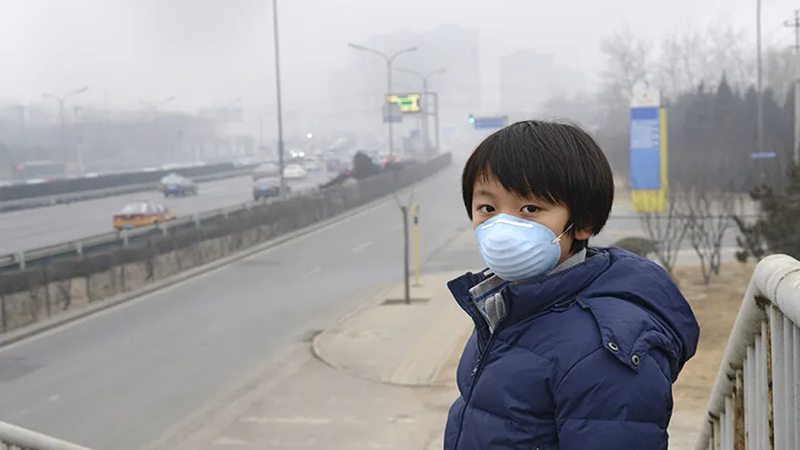
Taiwan, a developed nation, faces the same problems as other developed nations. Since cities are where the bulk of Taiwan's population resides, rapid urbanization is becoming increasingly linked to environmental and transportation issues.
Taiwan, a developed nation, faces the same problems as other developed nations. Since cities are where the bulk of Taiwan's population resides, rapid urbanization is becoming increasingly linked to environmental and transportation issues. According to research, 6000–8000 persons in Taiwan pass away from diseases that are directly linked to air pollution each year. In addition, Taiwan was ranked fourth out of 194 nations for the percentage of kids who acquire asthma from traffic pollution.
Today's city dwellers face issues like spending too much time in rush-hour traffic and finding parking spaces that are getting harder to come by. Urban congestion has made the gap between urban and rural areas worse and resulted in differences in access to medical and educational services. Taiwan's population is getting older. Over 14% of the population is over 65, according to the statistics, and elderly care and a decline in agricultural labour are issues in rural areas.
In Taiwan, there is a rising need for elder care. For instance, dementia among the elderly has been a hidden problem in Taiwan, where 1 in 13 senior person's also have diabetes and kidney problems. Going to the doctor in a rural region is likewise less convenient than in an urban environment because of the elderly's declining mobility.
Diabetes is one of Taiwan's top five killers, and its severe consequences are mostly to blame for the harm it does to one's health. Retinopathy is the most commonly ignored consequence. This is frequently misdiagnosed as presbyopia, delaying medical care. A severe retinopathy may result in vision loss. Retinopathy is a condition that affects one in three diabetic people. In order to identify and cure retinopathy early, doctors advise patients to have regular eye exams. The availability of ophthalmologists varies between urban and rural places.
Ophthalmologists are scarce in more than half of Taiwan's townships. The occurrence of other medical disorders has dramatically increased as a result of a lack of medical professionals. In order to facilitate clinical examinations in remote locations, The Sys and Universal Vision Biotechnology worked together to develop a portable fundus examination instrument, specifically a non-mydriatic handheld fundus camera.
To enable the AI software created by the Industrial Technology Research Institute to automatically detect the existence of retinopathy, fundus photos are uploaded to the cloud. The retinopathy status can be determined within 5 minutes to speed up the diagnosis depending on the degree of severity. This technique has helped examiners uncover ocular anomalies with an accuracy rate of 85% and rapidly recommend patients to ophthalmology clinics for treatment to reduce the risk of vision loss.
Taiwan is pursuing the "Taiwan smart city development project" (the "Project") under the national-level policy of "forward-looking infrastructure development program for 2017-2024" in response to issues such growing urbanization, the urban-rural split, and an aging society. Being an island nation, Taiwan's population enjoy fish, which helps the aquaculture industry thrive. The majority of Taiwan's fishing output comes from domestic aquaculture sales, which account for about half of the country's aquaculture output.
Aquaculture is, however, very sensitive to environmental conditions, including temperature, dissolved oxygen, and pH levels. Typhoons and winter's deadly temperatures caused aquaculture losses in 2018. Natural catastrophes effected about 90,000 aquaculture farmers in Taiwan that year. Despite meticulously maintaining their fish ponds by keeping an eye on the colour, foam, and fish population, they were unable to react in time to environmental changes, which resulted in significant losses.
Additionally, traditional aquaculture relies on farmers' first-hand knowledge and lacks the necessary equipment to record the breeding processes. This makes it difficult for farmers to efficiently impart their professional knowledge to others, react quickly to unforeseen environmental changes, and maintain the calibre of marine products since it is inefficient to observe with the naked eye, Quad link Technology, a provider of IoT systems, installed sensors in the ponds to assist aquaculture farmers in anticipating and managing agricultural risks.
By using the IoT technology to collect data from facilities, different consultant institutes have assisted farmers in taking preventative measures to minimize losses from disasters. By doing so, it is possible to boost industrial output and contribute to the creation of a system for the early detection and reduction of disasters.
In order to capture important data that affected the growth rates and freshness of aquaculture products as well as pond conditions, such as dissolved oxygen, temperature, salinity, pH values, and redox potential, the IoT system supplier Quad link Technology deployed sensors in the ponds. Through the use of AI real-time warning systems, farmers are now able to comprehend the pond ecosystem, monitor water quality, control the application of electricity and feed, and quickly react to calamities.
Terms & Conditions
Subscribe
Report
My comments