
Hits: 765

Paula Romanos
Climate Change in Lebanon - Causes, Impact, and Solutions
Most Read Stories Today
-
Water Scarcity and Artificial Rainfall: The Positive and The Negative Effects of Cloud Seeding, including Health Hazards and Climate Implications.
-
Renewable Energy in Rural Areas: Challenges, Opportunities, and Successful Rural Projects
-
South Africa's Recent Floods: Is Climate Change to Blame?
-
South Korea's floods: root causes and prevention strategies.
-
Pakistan's Agriculture at Risk Due to Climate Variability
-
South Africa: Cape Town, A City Under Fire
-
The Human Cost of Climate Disasters
-
Our Oceans, Our Future: The South African Dilemma of Overfishing
-
Degenerative Impact of Hydrocarbons On The Environment.
-
Sustainable Urban Planning - Copenhagen and the Path to Climate Resilience
Globally, climate change is relentlessly casting its shadows. Defined as large shifts in temperature (ᴼC) and weather patterns, it affects negatively, both the global and regional ecosystems.
The main factors of climate change are of natural origins, such as the volcanic eruptions and the change in the sun's energy. Since 1800's, human activities contributed enormously in the climate fluctuations. Due to the industrial revolution, besides destroying the rainforests, burning the fossil fuels like coal, gas, and oil had increased 90% of all carbon dioxide worldwide.
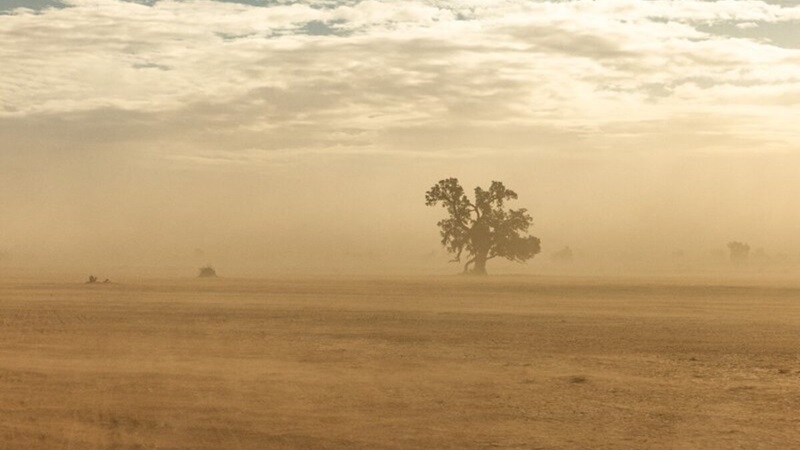
This global warming is not only manifested by the temperature increase but also by the fewer water resources. Nowaday, environmental disasters such as intense heat and dry climate are encountered. As a consequence, health, social, and agricultural aspects are highly threatened.
Lebanon, with its 200 km coastline at the Mediterranean sea, is characterized by its rich biodiversity and Mediterranean-type climate of hot dry summers and cold rainy winters. Its annual recorded precipitation is around 70% of rainfall through November-March months and its highest recorded temperature is around 35ᴼC in August.
Yet, the climate change in Lebanon is well elucidated by the annual mean tᴼ increase of 0.3ᴼC/decade, the reduction of 11 mm in monthly mean rainfall/decade, and the rise of the Mediterranean sea level by 20 mm/year. Accordingly, what are the specific causes inducing this climate change in Lebanon?
First of all, additional water demand up to 89% was obtained as a result of the large population of Syrian refugees Lebanon is hosting since the Syrian war in 2011 (1.5 million Syrian refugees compared to an estimated 4 million Lebanese population). This pressure on natural resources had lead significantly on October 2022 to a cholera epidemic outbreak in Lebanon.
The first confirmed case was detected among a 51-year old Syrian refugee residing in the northern districts. Then, 1225 confirmed and suspected cases and more than 16 related deaths were observed according to the MoPH (Ministry of the Public and Health) report.
According to the laboratories tests, vibrio cholerae bacteria was found in potable water sources, irrigation, and sewage of many Syrian refugees camps all over the Lebanese governorates. Thus, the cholera epidemic is rapidly spreading in almost all over the Lebanese districts.
Second possible reason of climate change is converting the lands from forests to agriculture; the third cause is the huge wildfires Lebanon went through during the last summers. Meanwhile, the illegal harvest of the trees in purpose of buildings construction is an additional reason.
Also, the illegal hunting of animals especially the immigrant birds is an additional cause. By deduction, the damaged Lebanese fauna and flora leads to an unbalanced ecosystem illustrated by the decrease in the O2 percentage and the death and immigration of various animals. On the other hand, the plastic residues found in the sea are highly threatening the marine species by polluting their natural habitat.
Owing to all these impacts, both preventive and corrective acts must take place involving the engagement of all the community members. While government responsibility is to keen on the laws application, the citizens responsibility resides in compliancing to these laws.
Thus, a sort of suggested solution is the critical need to awareness campaigns that should be addressed to the Lebanese public by specific experts. In addition, more effective climate and disaster risk management strategies must be planned and always updated by the government.
In conclusion, the climate change in Lebanon is dangerously increasing and obviously the only way out is the collaboration between the government and the citizens to reduce its repercussion.
Terms & Conditions
Subscribe
Report
My comments