

World Rivers Day: Safeguarding the Lifeblood of Our Planet
Sunday 28 September 2025
Hits : 319
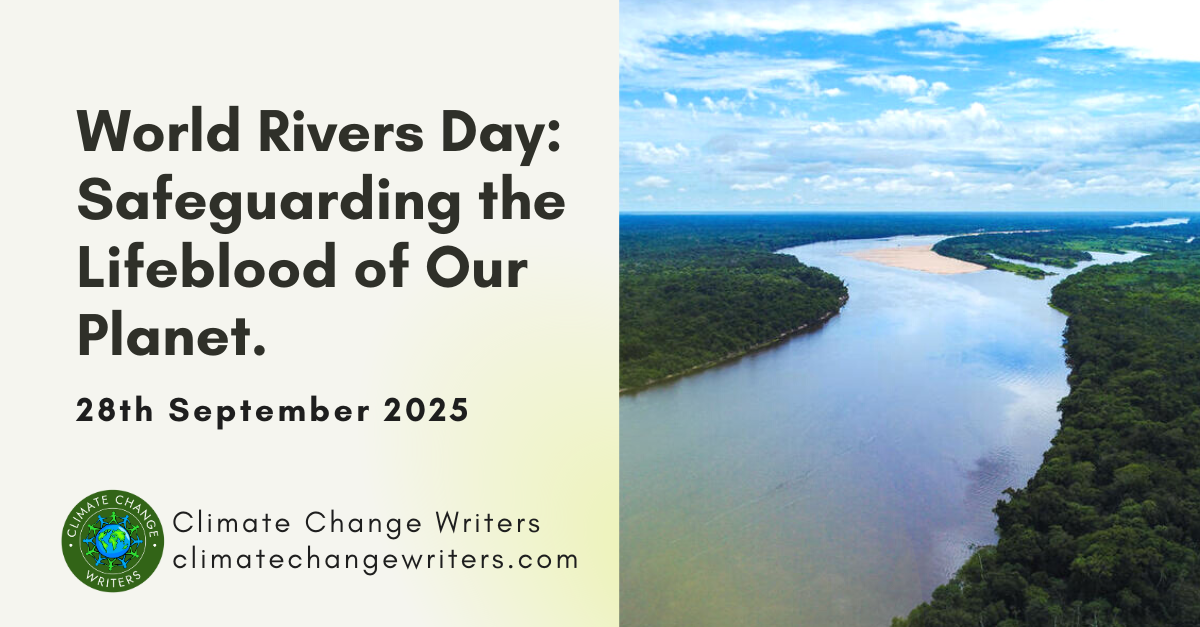
On September 28, 2025, communities around the globe will mark World Rivers Day, an observance dedicated to honoring and protecting the rivers that sustain life. Rivers are not only sources of water; they are lifelines for biodiversity, agriculture, culture, and human survival. Yet today, the health of rivers is increasingly threatened by climate change, pollution, and unsustainable development.
Climate change writers and advocates consistently point out that rivers mirror the state of the planet. As glaciers retreat, rainfall patterns shift, and extreme weather intensifies, rivers are among the first natural systems to reflect these disruptions. Prolonged droughts have left riverbeds dry in once fertile regions, while more frequent floods have eroded banks and displaced entire communities. What is happening to rivers is a direct indication of how deeply the climate crisis is reshaping the world we live in.
One of the most pressing concerns is water security. Rivers provide drinking water for billions of people, yet increasing temperatures are reducing snowpack and altering seasonal flows. In many regions, this has created a dangerous paradox: rivers flood violently during the rainy season and run dangerously low during the dry months. This inconsistency disrupts agriculture, strains urban water supplies, and weakens the resilience of ecosystems. For writers and campaigners focused on climate change, rivers are a reminder that water insecurity is one of the most tangible and urgent consequences of global warming.
Beyond water supply, rivers are vital to biodiversity. Freshwater ecosystems are home to fish, amphibians, birds, and countless plant species. However, according to global assessments, freshwater biodiversity is declining at a faster rate than that of oceans or forests. Climate change magnifies this decline by warming waters, spreading invasive species, and increasing the frequency of droughts and floods. Each lost species reflects a broken link in the complex web that rivers support.
Rivers also hold deep cultural and spiritual significance. They have inspired songs, poetry, and traditions across civilizations. For Indigenous peoples in particular, rivers are sacred, woven into identity and livelihood. Yet as industrialization encroaches and pollution spreads, these cultural connections are being severed. Climate change writers emphasize that protecting rivers is not only an environmental duty but also a cultural and moral responsibility to future generations.
What then can be done? Solutions lie both in global policy and local stewardship. International agreements on climate change and water governance must be strengthened, but equally important are community-based efforts. River cleanups, sustainable agriculture practices, and the restoration of wetlands and forests can revive watersheds. Urban planning that values green spaces and floodplains can reduce the risks of flooding while improving the quality of life. Perhaps most importantly, education and awareness campaigns can ensure that individuals everywhere recognize their role in sustaining rivers.
World Rivers Day is not just a symbolic observance; it is a call to action. Writers who chronicle the realities of climate change remind us that rivers are silent witnesses to humanity’s choices. If protected, they can continue to nourish life and carry the songs of generations to come. If neglected, they will become casualties of our inaction. On this World Rivers Day, the most powerful commitment we can make is to treat rivers not as resources to be exploited but as partners in our shared survival.