

World Cleanup Day: A Collective Step Toward a Healthier Planet
Saturday 20 September 2025
Hits : 272
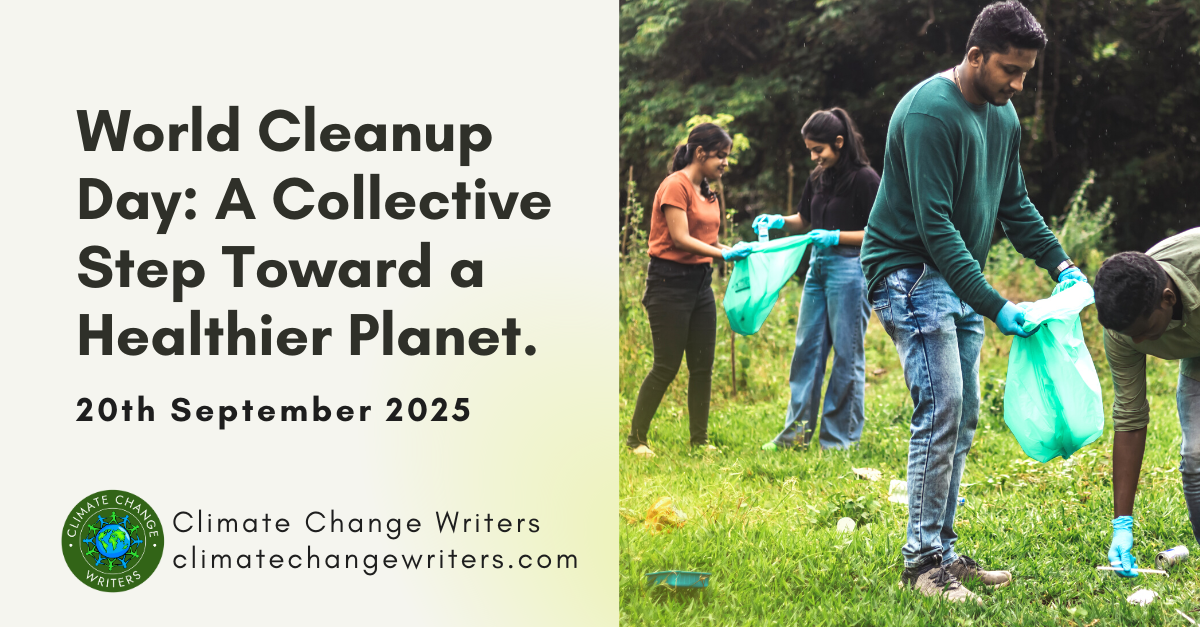
September 20th marks World Cleanup Day, an annual reminder of the responsibility humanity shares in caring for the Earth. On this day, millions of people across continents come together to remove waste from streets, rivers, forests, beaches, and neighborhoods. Yet beyond the physical act of picking up litter, this day speaks to a deeper truth: the way we handle waste is tied to our broader struggle against climate change and environmental degradation.
Plastic bottles, cigarette butts, and packaging that accumulate in public spaces may seem like small inconveniences, but they tell the story of a linear economy that values disposability over sustainability. When waste seeps into rivers and oceans, it breaks down into microplastics that disrupt marine ecosystems. When organic waste is left in landfills without proper management, it generates methane, a greenhouse gas with a warming potential many times greater than carbon dioxide. The waste crisis is therefore inseparable from the climate crisis.
World Cleanup Day is not only about addressing the visible clutter in our surroundings. It is a call to shift our collective mindset. If millions can devote a single day to tackling waste, it proves the potential of global cooperation. This spirit of cooperation must then extend into daily choices: refusing single use plastics, supporting circular economy models, and demanding accountability from companies and governments that contribute to unchecked pollution.
The climate crisis is often described in terms of melting ice caps, rising seas, and extreme weather. While these manifestations are vast and distant for many people, the waste problem is immediate and tangible. Children see it on their way to school, farmers encounter it in their fields, and coastal communities confront it washing up on their shores. By participating in cleanup efforts, individuals transform a global challenge into a personal responsibility. That physical connection - the act of bending down to remove waste from soil or water - deepens awareness and often sparks longer term behavioral change.
This year, as people gather for World Cleanup Day, it is worth reflecting on the wider systems that produce waste. Recycling alone cannot solve the problem if production continues unchecked. Policies that encourage extended producer responsibility, innovations in biodegradable materials, and stronger public waste management infrastructure are necessary. Equally important is education. A new generation must be taught not only how to dispose of waste properly but also how to question a culture of excess consumption.
In observing World Cleanup Day, we are reminded that the fight against climate change is not only waged in conference halls and policy rooms. It also happens in communities, on sidewalks, along riverbanks, and in forests. Each bag of waste collected may seem like a small contribution, but collectively, these actions demonstrate what is possible when global citizens act in unison.
As the sun sets on September 20th, the world will still face mountains of waste and the looming threat of a changing climate. But the day offers proof that solutions are within reach when people act with shared purpose. World Cleanup Day is more than an annual event; it is a vision of how solidarity, responsibility, and care can begin to heal the planet.